
Does Having a Will Make Probate Easier?
(Spoiler: Yes… but not that much)
Here’s what most people think:
Many people believe that if there’s a will, probate will be simple or unnecessary. It’s a common assumption – and an understandable one. After all, a will is meant to make things clear, right?
Here’s the truth:
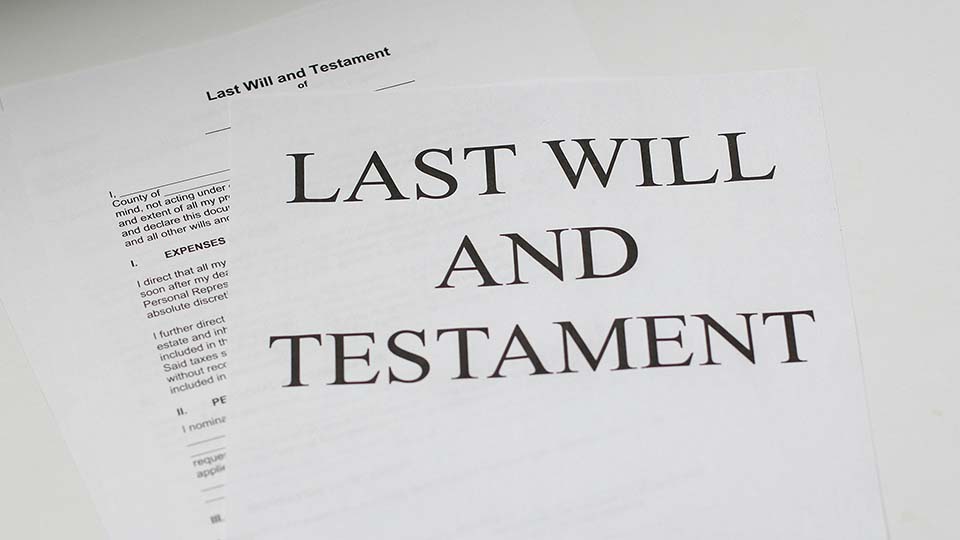
Even with a will, probate is usually still required. This is especially true if the person who died owned property, had more than £5,000 in a bank account, or held investments, pensions, or shares. Probate is the legal process that confirms the will is valid and gives someone the authority to deal with the estate.
What does the will actually do?
A will is still very helpful – it names the executor (the person responsible for handling the estate) and explains who should inherit what. But it doesn’t give the executor legal authority to act on its own. That legal authority comes from a document called the Grant of Probate, which must be applied for after someone dies.
You’ll still need to:
Even with a valid will, you’ll still need to value the estate, report it to HMRC, complete the required probate forms, apply to the Probate Registry, and handle any debts or property transfers. It’s a real process, with real admin and deadlines – and it can be overwhelming without support.
So – does the will help?
Yes, it absolutely helps. It provides clarity and prevents disputes in many cases. But it doesn’t replace the need for probate – and it doesn’t make the job easy. If you’re an executor or handling someone’s estate, don’t assume the will does all the work for you.